@eaglepair1
Profile
Registered: 1 year, 6 months ago
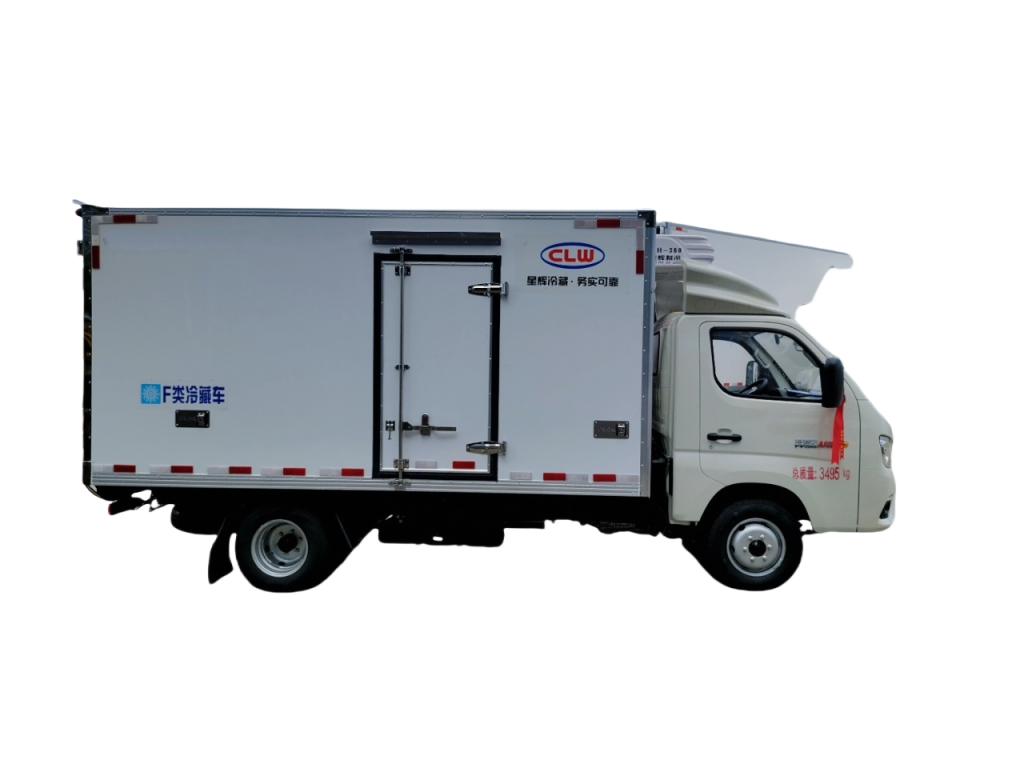
Enhancing Efficiency and Safety with Work Truck Trailer Monitoring Systems Introduction Work truck trailers play a crucial role in various industries, from construction and transportation to agriculture and logistics. box trucks for sale are essential for transporting goods, equipment, and materials to different locations. However, managing and monitoring work truck trailers can be a challenging task, especially when it comes to ensuring efficiency, safety, and security. In recent years, advancements in technology have led to the development of innovative solutions for monitoring work truck trailers. These monitoring systems offer real-time data and insights that can help companies optimize their operations, improve safety measures, and enhance overall productivity. In this article, we will explore the importance of work truck trailer monitoring systems and their benefits for businesses. We will discuss the key features of these systems, their applications in various industries, and the impact they can have on improving efficiency and safety. Additionally, we will examine some of the best practices for implementing work truck trailer monitoring systems and highlight the latest trends in this technology. The Importance of Work Truck Trailer Monitoring Systems Work truck trailer monitoring systems are essential tools for businesses that rely on the efficient transportation of goods and materials. These systems provide real-time visibility into the location, status, and condition of trailers, allowing companies to track their assets and optimize their operations. By monitoring work truck trailers, businesses can improve efficiency, reduce costs, and enhance safety measures. Some of the key benefits of using work truck trailer monitoring systems include: 1. Enhanced Asset Tracking: Work truck trailer monitoring systems enable businesses to track the location of their trailers in real-time. This allows companies to have better visibility into their assets and ensures that trailers are being utilized effectively. By knowing the exact location of each trailer, businesses can optimize routes, reduce idle time, and improve overall fleet management. 2. Improved Security: Work truck trailer monitoring systems help enhance the security of trailers and their cargo. These systems can alert businesses in case of unauthorized access, theft, or tampering with trailers. With features such as geofencing and tamper detection, companies can protect their assets and reduce the risk of theft or loss. 3. Increased Efficiency: By monitoring work truck trailers, businesses can optimize their operations and improve efficiency. Real-time data on trailer utilization, maintenance needs, and route optimization can help companies streamline their processes and reduce downtime. This leads to cost savings and improved productivity for businesses. 4. Enhanced Safety Measures: Work truck trailer monitoring systems play a crucial role in enhancing safety measures for both drivers and cargo. These systems can provide alerts for issues such as speeding, harsh braking, and sudden acceleration, helping prevent accidents and ensuring compliance with safety regulations. Additionally, monitoring systems can track maintenance schedules and ensure that trailers are in optimal condition, reducing the risk of mechanical failures on the road. Key Features of Work Truck Trailer Monitoring Systems Work truck trailer monitoring systems come with a range of features that provide businesses with comprehensive insights into their trailer operations. Some of the key features of these systems include: 1. GPS Tracking: GPS tracking is a fundamental feature of work truck trailer monitoring systems. GPS technology allows companies to track the exact location of their trailers in real-time, enabling efficient route planning, asset tracking, and theft prevention. 2. Telematics Integration: Work truck trailer monitoring systems often integrate telematics technology to collect and analyze data on trailer performance and usage. Telematics data can include information on fuel consumption, engine diagnostics, driver behavior, and maintenance schedules, providing businesses with valuable insights for optimizing their operations. 3. Remote Monitoring: Work truck trailer monitoring systems offer remote monitoring capabilities, allowing businesses to access real-time data on their trailers from anywhere. With remote monitoring, companies can track trailer status, receive alerts for critical issues, and make informed decisions to improve efficiency and safety. 4. Geofencing: Geofencing is a feature that allows businesses to set virtual boundaries around specific locations or routes. When a trailer enters or exits a geofenced area, the system can send alerts to notify the company. Geofencing helps improve security, monitor trailer movements, and ensure compliance with designated routes. 5. Tamper Detection: Work truck trailer monitoring systems may include tamper detection features to alert businesses in case of unauthorized access or tampering with trailers. Tamper detection technology can detect changes in trailer doors, cargo, or security mechanisms, helping prevent theft and unauthorized use. Applications of Work Truck Trailer Monitoring Systems Work truck trailer monitoring systems have diverse applications across various industries that rely on the transportation of goods and materials. Some of the key industries where these systems are widely used include: 1. Construction: In the construction industry, work truck trailer monitoring systems are essential for managing the transportation of equipment, tools, and materials to construction sites. These systems help construction companies track their trailers, optimize routes, and ensure the timely delivery of resources to project locations. 2. Logistics and Transportation: Work truck trailer monitoring systems play a critical role in the logistics and transportation industry, where efficient fleet management is essential for timely deliveries. These systems help logistics companies track trailer location, monitor driver behavior, and optimize routes to improve operational efficiency and customer satisfaction. 3. Agriculture: Work truck trailer monitoring systems are valuable tools for the agriculture industry, where trailers are used to transport crops, livestock, and equipment. These systems help farmers and agricultural businesses track their trailers, monitor cargo conditions, and ensure the safe and timely delivery of agricultural products. 4. Manufacturing: In the manufacturing sector, work truck trailer monitoring systems are used to streamline the transportation of raw materials, finished products, and equipment between manufacturing facilities and distribution centers. These systems help manufacturers optimize their supply chain operations, reduce costs, and improve inventory management. Impact on Efficiency and Safety Work truck trailer monitoring systems have a significant impact on enhancing efficiency and safety for businesses that rely on trailer operations. By providing real-time data and insights, these systems enable companies to make informed decisions, optimize processes, and improve overall performance. Some of the key ways in which work truck trailer monitoring systems impact efficiency and safety include: 1. Route Optimization: Work truck trailer monitoring systems help businesses optimize routes based on real-time data on traffic conditions, weather forecasts, and delivery schedules. By choosing the most efficient routes, companies can reduce fuel consumption, minimize travel time, and improve overall fleet efficiency. 2. Preventive Maintenance: Monitoring systems track trailer performance metrics and maintenance schedules, allowing businesses to schedule preventive maintenance tasks proactively. By conducting regular maintenance and inspections, companies can prevent costly breakdowns, extend the lifespan of trailers, and ensure optimal performance on the road. 3. Driver Behavior Monitoring: Work truck trailer monitoring systems can monitor driver behavior, including speeding, harsh braking, and idling. By providing feedback on driver performance, companies can promote safe driving practices, reduce the risk of accidents, and ensure compliance with safety regulations. 4. Cargo Security: Monitoring systems help enhance cargo security by providing alerts for unauthorized access, theft, or tampering with trailers. By monitoring cargo conditions and ensuring secure transportation, businesses can protect their assets, reduce the risk of loss, and maintain the integrity of their supply chain. Best Practices for Implementing Work Truck Trailer Monitoring Systems When implementing work truck trailer monitoring systems, businesses should follow best practices to ensure successful deployment and maximize the benefits of these systems. Some of the best practices for implementing work truck trailer monitoring systems include: 1. Define Objectives: Before implementing a monitoring system, businesses should clearly define their objectives and goals. Whether the focus is on improving efficiency, enhancing safety, or reducing costs, having a clear vision will help guide the implementation process and ensure alignment with business priorities. 2. Select Water tank truck licensing requirements : Businesses should carefully evaluate different work truck trailer monitoring systems available in the market and select a solution that meets their specific requirements. Consider factors such as scalability, integration capabilities, data accuracy, and user-friendliness when choosing a monitoring system. 3. Train Employees: Proper training is essential for employees who will be using the work truck trailer monitoring system. Provide training sessions to familiarize employees with the system's features, functionalities, and best practices for monitoring trailers effectively. 4. Establish Key Performance Indicators (KPIs): Define key performance indicators (KPIs) to measure the success of the work truck trailer monitoring system implementation. Track metrics such as fuel efficiency, trailer utilization, maintenance costs, and driver behavior to assess the impact of the system on business operations. 5. https://www.worktruckmaker.com/wp-content/uploads/2024/07/微信图片_20240702161524-1024x768.png and Updates: Ensure regular maintenance and updates for the work truck trailer monitoring system to keep it running smoothly and up-to-date with the latest features and security patches. Regularly check for software updates, conduct system checks, and address any issues promptly to ensure optimal performance. 6. Data Security: Protect sensitive data collected by the monitoring system by implementing robust security measures. Encrypt data transmissions, restrict access to authorized personnel, and implement data backup procedures to safeguard against potential security threats. Trends in Work Truck Trailer Monitoring Technology As technology continues to advance, work truck trailer monitoring systems are evolving to offer more sophisticated features and capabilities. Some of the latest trends in work truck trailer monitoring technology include: 1. Internet of Things (IoT) Integration: IoT integration is transforming work truck trailer monitoring systems by enabling seamless connectivity between trailers, sensors, and central monitoring platforms. IoT technology allows for real-time data exchange, predictive analytics, and remote control capabilities, enhancing operational efficiency and decision-making. 2. Artificial Intelligence (AI) and Machine Learning: AI and machine learning algorithms are being applied to work truck trailer monitoring systems to analyze large volumes of data and identify patterns or anomalies. AI-powered systems can predict maintenance needs, optimize routes, and provide actionable insights for improving efficiency and safety. 3. Blockchain Technology: Blockchain technology is being explored for enhancing the security and transparency of work truck trailer monitoring systems. By leveraging blockchain technology, businesses can create secure and tamper-proof records of trailer movements, transactions, and maintenance history, ensuring data integrity and trustworthiness. 4. Advanced Sensor Technology: Work truck trailer monitoring systems are incorporating advanced sensor technology, such as temperature sensors, humidity sensors, and load sensors, to monitor cargo conditions and ensure compliance with regulatory requirements. These sensors provide real-time data on environmental conditions and cargo integrity, enabling businesses to maintain product quality and safety during transportation. Conclusion Work truck trailer monitoring systems play a vital role in enhancing efficiency, safety, and security for businesses that rely on trailer operations. These systems provide real-time visibility into trailer location, status, and condition, enabling companies to optimize routes, improve maintenance practices, and protect cargo assets. By leveraging the latest technology trends and best practices, businesses can implement work truck trailer monitoring systems effectively and maximize the benefits they offer. As technology continues to advance, work truck trailer monitoring systems will evolve to provide more sophisticated features and capabilities, further enhancing operational efficiency and safety across various industries.
Website: https://www.worktruckmaker.com/wp-content/uploads/2024/07/微信图片_20240702161524-1024x768.png
Forums
Topics Started: 0
Replies Created: 0
Forum Role: Participant